In recent days we’ve been in local and national news outlets talking about the failure by negotiators on the Colorado River to hash out a long-term deal. And while it is easy to be a critic. It is hard to overcome the politics of seven different states and the federal government.
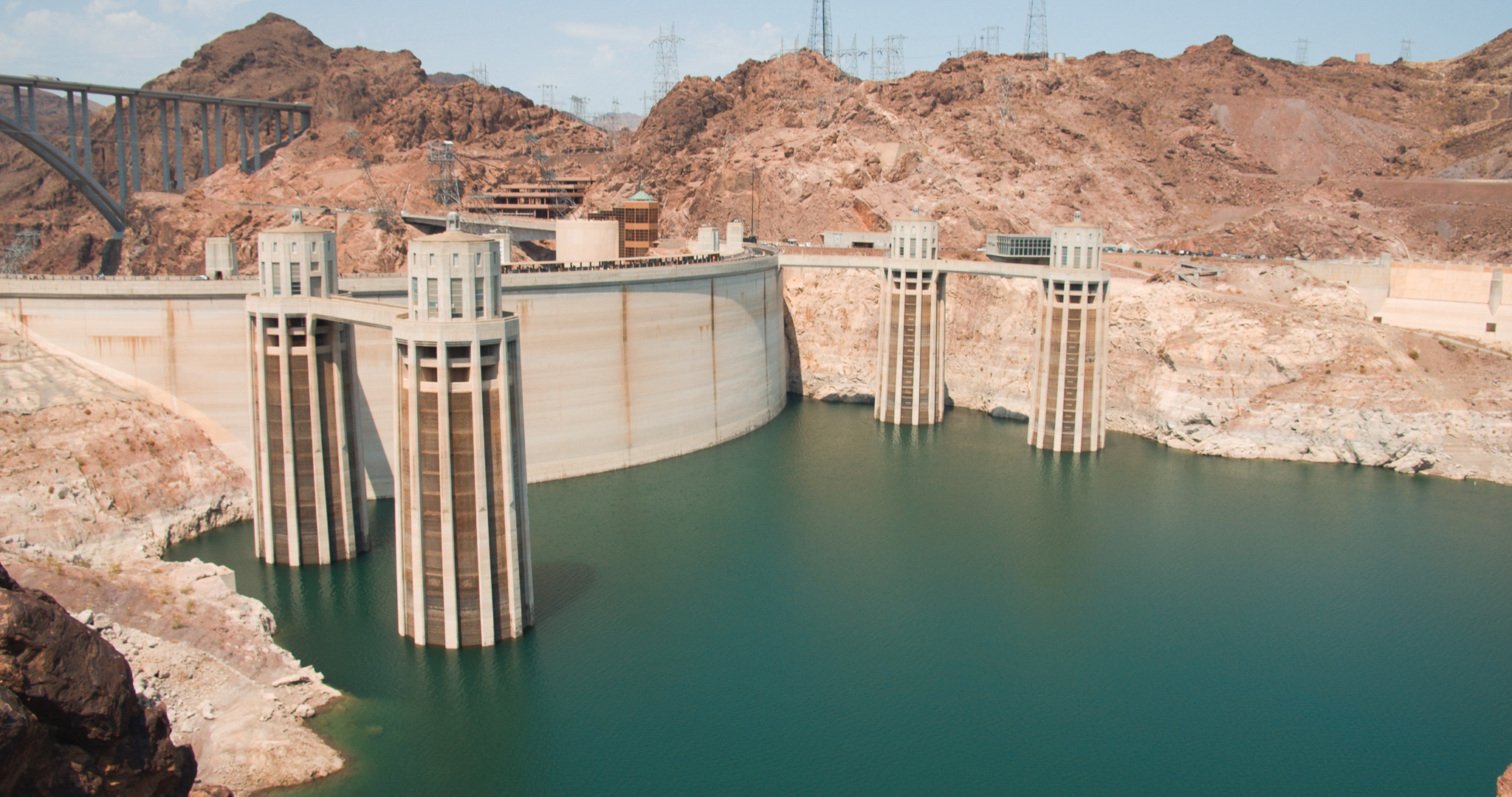
Nevertheless, just as Hoover Dam symbolizes American industriousness with its art deco statues and engineering feats, the river itself represents our desire to control the natural world for the benefit of the people. I believe some of the people in power have lost sight of that — especially as federal projections expect Lake Mead to hit its lowest levels ever within the next two years.
The current conflict on the river is about water availability, water conflict, and water participation.
GBWN stands for a lot of things. But, first and foremost, we are an organization that believes in the rights of everyday citizens to speak up for their communities and their natural environments. Any erosion of public access and engagement crumbles our abilities to meaningfully engage in government.
The current impasse on the river is not just a fight among states. It is a battle about how citizens, farmers, tribes, academics, legal experts, river guides, botanists, biologists, and many others engage — not just government officials.
The current imbroglio on the river raises questions about when and how we will review, scrutinize, and analyze proposals for future management. In this case, if we lose the means of participation, I fear we will lose the river.
So much has changed since the development of the current Colorado River management framework back in 2005-2007, which was conducted via a robust federal review process with expansive public comment periods and in-person meetings to scrutinize proposals.
Today, we haven’t yet had meaningful engagement to see what state-level negotiators and the federal government are actually planning at this juncture. We don’t see models and their inputs. That is what’s frustrating.
To this point, we haven’t yet had a Draft Environmental Impact Statement as part of a federal environmental review — a process that began more than two years ago. In theory, we should be done by December 31, 2025. We’re not even close.
We say this because we benefit from institutional wisdom. John Weisheit, conservation director of Living Rivers and advisor/partner with GBWN on Colorado River matters, was in the trenches 20 years ago. And he hasn’t forgotten the good and the bad. He showed me how to find what many didn’t know was buried. We reviewed the notices about public participation years ago. We saw that the proposal that government officials agreed to was way too optimistic.
We have spent a lot of time comparing what happened in the past with the present. The results are not auspicious.
As I said to news outlets like the New York Times and many others: The outlook is grim. It is time to rip off the Band-Aid. Let the public get to work and let us have a look — a hard look.
