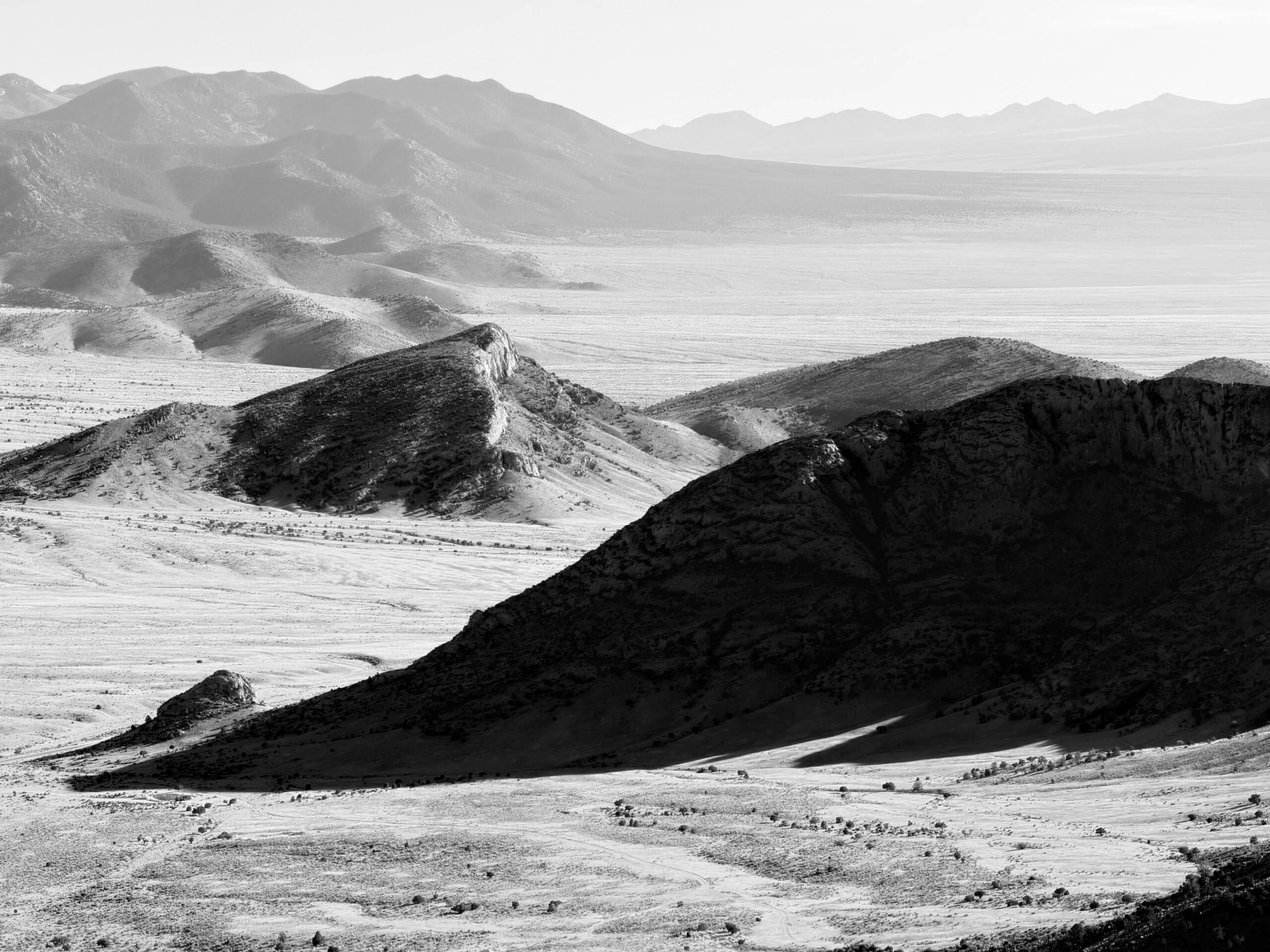
Our coalition, which includes Beaver, Millard, Juab, White Pine, and Tooele Counties; the Indian Peaks Band of Paiute; the Center for Biological Diversity; and others are highlighting the serious flaws in the development of our upcoming appeals.
1. Significant new information was not incorporated into the FEIS. New hydrologic, economic, and cost data generated in 2025–2026, much of it directly relevant to feasibility and impacts, was not analyzed. These are exactly the circumstances that require a new or supplemental review. Additionally, in other areas of the EIS, such as hydrology and biology, new information and analysis was prepared in private by the applicant’s consultants during the length pause in the NEPA process with no public input. These are exactly the circumstances which require the preparation of a Supplemental EIS at minimum. Given the extended pause in the NEPA process and the work that was done during that time, a new DEIS would be most appropriate.
2. The FEIS was released without a meaningful public availability period. The agency moved to issue a ROD almost immediately after publishing the FEIS, eliminating the long-understood period for public review and expert evaluation. Given the multi-year pause during which substantial new material was prepared in private by the applicant and its consultants with no public input and given the complexity of the issues, a meaningful FEIS review period was essential.
3. The FEIS fails to meet NEPA’s most basic requirements. The FEIS does not take the required “hard look” at environmental impacts, omits essential information, relies on outdated data, and fails to demonstrate compliance with numerous federal environmental laws.
4. The analysis is improperly segmented
The FEIS treats Pine Valley in isolation, even though the project is the first phase of a larger, publicly documented plan to pump from Pine, Wah Wah, and Hamlin Valleys. This segmentation hides the full scale of groundwater depletion and regional effects.
5. The hydrologic modeling is scientifically unsound. The groundwater model prepared by the applicant’s consultant is built on incomplete data, poor calibration, and unsupported assumptions. Independent hydrologists, including the former USGS scientist who authored the USGS parent-model report on which the Project model is based, have identified structural flaws serious enough to invalidate the model’s results. Yet the FEIS relies on those results anyway.
6. The FEIS does not disclose that the project may be hydrologically infeasible. Evidence indicates the proposed wellfield may not be capable of producing the claimed water volumes over the project lifespan. The FEIS does not acknowledge this fundamental feasibility issue.
7. The most likely wellfield configuration is not meaningfully analyzed. The Northern Wellfield Alternative, likely the only configuration capable of being pumped, is poorly evaluated. This is problematic given that it would have significantly greater and more widespread impacts and the failure to analyze it results in an impermissible downplaying of likely impacts.
8. The FEIS minimizes or omits region-wide environmental harm. The analysis limits the geographic and temporal scope in ways that exclude predictable impacts, including effects on senior water rights, springs, wetlands, tribal resources, agriculture, sage-grouse, endemic species, and groundwater-dependent ecosystems across Utah and Nevada.
9. The FEIS relies on outdated and unsupported financial and demand forecasts. The core financial analysis was never updated during the multi-year pause in the process. It fails to account for soaring construction costs, unrealistic financing assumptions, and outdated population and demand projections. Additionally, the analysis lacks supporting data sufficient to enable the BLM or the public to evaluate its validity. An independent cost analysis prepared for Beaver County confirms that construction costs are likely to be far greater than predicted and that CICWCD’s ability to finance it is questionable.
10. Ratepayers face dramatic water-rate increases the FEIS does not fully disclose. The project could drive water rates up dramatically. Independent review shows that real-world rate impacts are likely far higher than those presented in the FEIS.
11. Mitigation is vague, speculative, and mostly deferred. There is no credible monitoring or mitigation plan in place. Key questions — such as whether any spring, water-rights, or ecosystem impacts can actually be prevented — are deferred to future management plans instead of being analyzed before approval.
