Utah water regulators will reconsider their approval of a permit for a Texas-based company vowing to tap deep brines in highly connected aquifers in the Great Salt Lake Desert. In late April, the Utah State Engineer approved a water rights permit for a lithium mine near Great Basin National Park in Snake Valley at Gandy, Utah. Twenty days later, GBWN and its allies filed a Request for Reconsideration, a procedural move that asks regulators to take another look before finalizing a permit. Last week, immediately following GBWN’s request, Utah regulators affirmed they would review the approval.
This is a win. The mine cannot move forward as of now. However, it is not a guarantee that this project will go away.
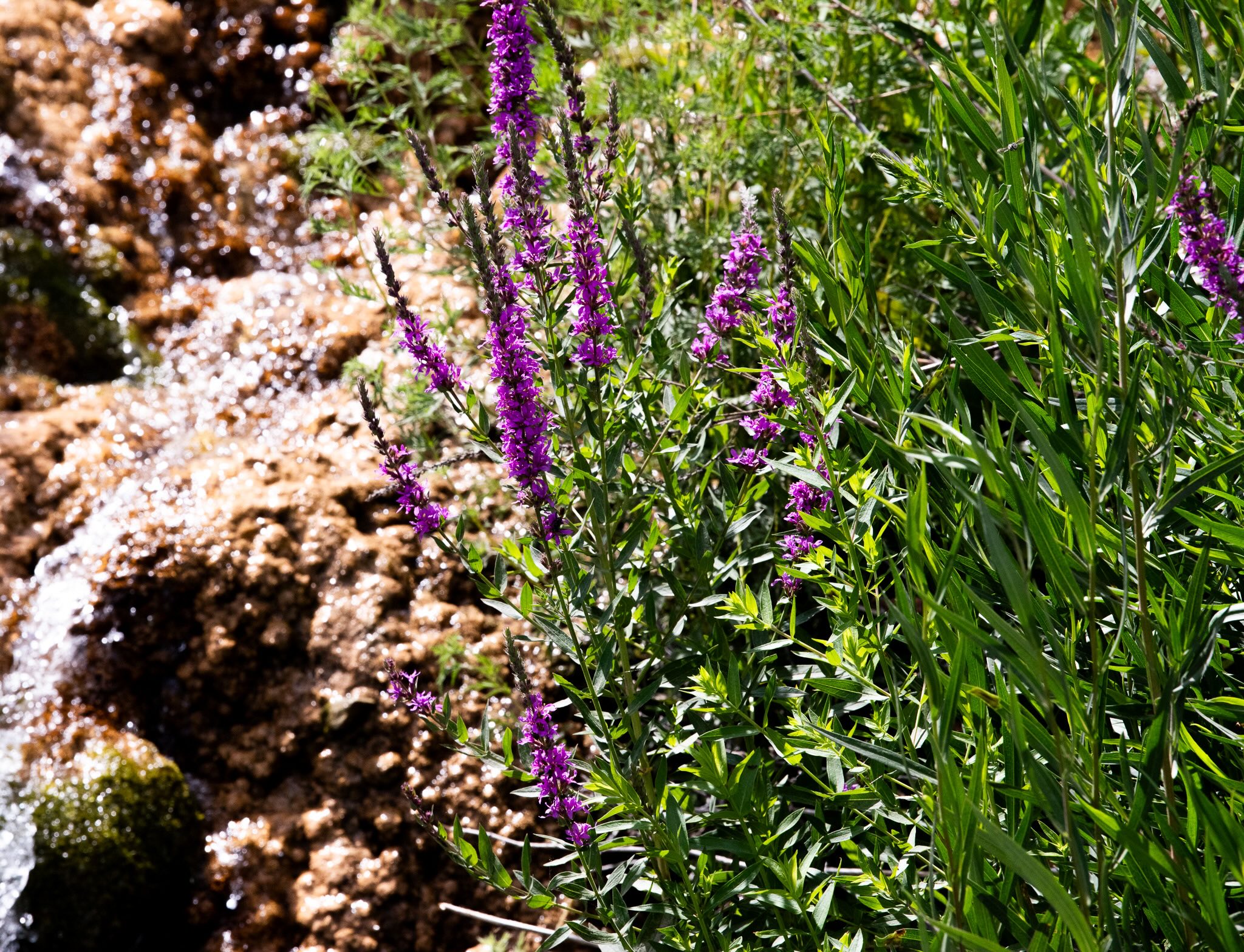
Gandy is a quiet hamlet nestled on the valley floor near the intersection of the Snake, Kern, Deep Creek, and Confusion Ranges. Ancient freshwater gushes from thousands of feet below the earth’s surface at a grotto-like spring complex and other locations in the area. The waters are the remains of ancient Lake Bonneville. That water mixes with shallow aquifers filled by snowmelt runoff and rain.
The mining company, Lithium Snake LLC, proclaims that the brines are isolated and disconnected from the deep and shallow freshwater aquifers. But, like GBWN, the Bureau of Land Management and the Utah Division of Wildlife raised significant questions about the interconnected nature of the hydrogeologic formations below the ground, citing concerns about deep groundwater pumping harming wildlife and water tables in the region.
The company initially sought 4,500 acre feet annually (1.4 billion gallons). Surprisingly, the Utah State Engineer granted only 550 acre-feet annually in the initially approved permit.
The catch is that the company can only “consume,” i.e. completely expend, 240 acre feet every year. All the other water must be returned to the aquifer system.
That return-via-reinjection process sounds wholesome. But the process does not quell or eliminate harms to spring systems. The pumping is the problem.
When entities stick giant straws in the ground to remove water, hydro-physical phenomena take place underground. Pressure changes, geologic elements shift, water gets redirected. The system is never the same.
The springs at Gandy serve species like Columbia Spotted Frogs, Least Chub, and many bird populations. Agricultural operations in the area collaborate with government agencies to ensure groundwater levels remain stable. Today, there is balance. Tomorrow, maybe not.
Furthermore, State Engineer Teresa Wilhelmsen deserves credit for significantly reducing the amount of water associated with the permit request. She cut the permit amount by 1 billion annual gallons. That reduction signals a likelihood that regulators were concerned with speculation and monopolistic practices as much as anything else.
Companies want us to believe that they can seamlessly pump and return water in a closed loop without storing water in ponds and exposing it to evaporation. That is easier said than done. Massive non-consumptive mining projects are not yet proven at scale in the American West.
Lithium Snake’s project, so far, might be nothing more than snake oil.
Lithium Snake’s project would be on federal land. But BLM records show that there are no federal-level applications to use public lands for the mine. Additionally, our request for reconsideration, highlights the concerns that remain: Industrial-scale pumping will harm springs and existing water rights.
Throughout Nevada and Utah there are a few novel proposals to pump large quantities of brine, scrape the water for minerals, and reinject what remains. This is a relatively new request for water regulators to receive. And states do not have clear standards for how to handle them. GBWN has worked in both state legislatures to get more clarity and certainty for existing rights holders the public interest with limited success and plenty of opposition lobbying from the mining industry. We will be working to deliver a clear standard in Nevada in the coming session and continue demanding accountability in the nation’s direst places.
This project approval comes while GBWN, Living Rivers, and farm families continue to litigate over a lithium mine proposal on the Green River. That project was the first deep brine effort capriciously approved by the State Engineer in Utah. Snake Valley is the second. Regulators are not offering a clear standard for assessing brine projects in highly connected systems. We are fighting for clarity, fairness, and commonsense.
